



Gain Industry Insights
Read our blog today
Domain management
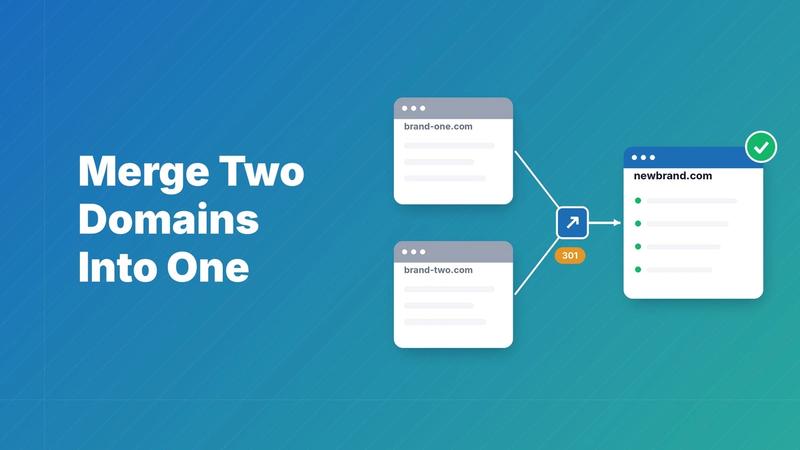
Business Consolidation: Using Redirection To Merge Domains
Merging multiple business domains can strengthen your brand and simplify website management, but it must be done carefully to avoid losing SEO rankings or confusing users. Using 301 redirects to merge domains ensures that visitors and search engines are automatically directed from old domains to the new primary website. This guide explains how domain consolidation works, why redirects are essential for SEO, and how to merge domains safely using a redirect management platform.
February 4, 2024
Url-redirects
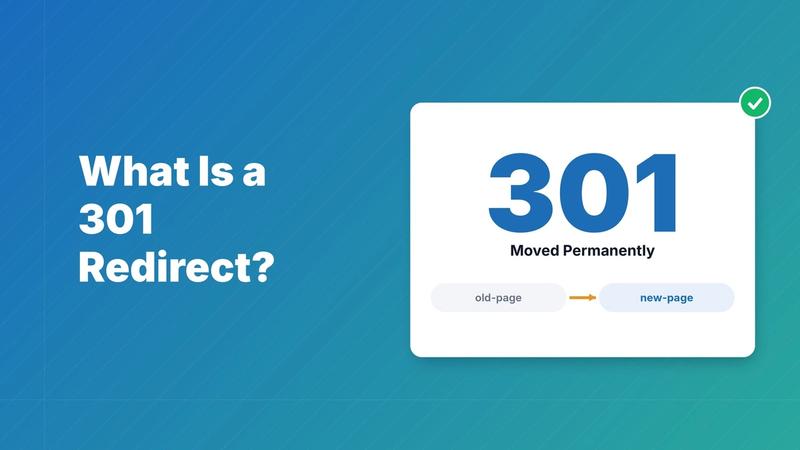
301 Redirect: What It Is and How to Set One Up (2026)
What a 301 redirect is, when to use one instead of a 302 or a canonical tag, how to set it up in .htaccess, Nginx, WordPress, at your registrar or with RedirHub, and how to check it works and keeps your rankings.
February 4, 2024

Analytics
Strategic Redirection: Utilize UTM Parameters Support
UTM parameters are tracking tags added to URLs that help marketers understand where website traffic comes from and how campaigns perform. By adding simple parameters such as utm_source, utm_medium, and utm_campaign, businesses can measure the effectiveness of email, social media, ads, and other marketing channels. This guide explains what UTM parameters are, how to create them, and how they help improve campaign tracking and marketing ROI.
October 7, 2023

Seo
Wildcard Redirects: Boost SEO by Routing .domain.com to Main Site
Wildcard redirects allow website owners to redirect all subdomains of a domain to a single destination using a wildcard symbol (*). This technique helps consolidate traffic, avoid broken subdomain links, and improve website management. When implemented correctly, wildcard redirects can simplify domain management, improve user experience, and support SEO strategies by directing visitors from any subdomain to the correct destination.
October 7, 2023

Seo
SEO Insights: Mastering the Art of Redirect Link Analysis
Redirect link analysis is the process of examining how URL redirects function across a website to ensure they support SEO performance and user experience. Proper redirect management helps preserve link equity, prevent broken links, and maintain search rankings during site changes or migrations. By auditing redirects regularly and minimizing redirect chains or loops, website owners can improve crawl efficiency and overall site performance.
October 6, 2023

Url-redirects
Seamless Website Migration: Redirecting Old Domain To New
Redirecting an old domain to a new one is a critical step during website migration. Proper domain redirects help preserve SEO rankings, maintain link equity, and ensure visitors reach the correct website without encountering broken links. By implementing 301 redirects and carefully mapping old URLs to their new destinations, businesses can migrate websites while protecting traffic, search visibility, and user experience.
October 6, 2023

Url-redirects
Phone Brand Detection: Redirect to Relevant App Store
Phone brand detection helps websites automatically identify a user’s device and redirect them to the correct app store for downloading mobile applications. By analyzing device information such as operating system and browser user-agent data, developers can guide users to the Apple App Store or Google Play Store without confusion. This approach improves app discovery, enhances user experience, and increases mobile app installation rates.
October 5, 2023
Url-redirects
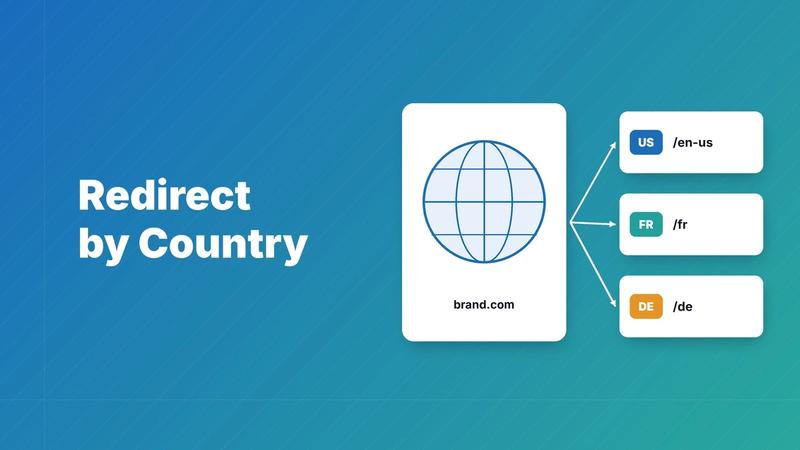
Geo Redirects: How to Redirect Visitors by Country (SEO-Safe)
How geo (country) redirects work, what Google says about IP-based redirection, the rules that keep them SEO-safe, setup on Cloudflare, Netlify, Vercel and Nginx, and how to point country domains like mybrand.de at the right section.
October 5, 2023

Seo
Effective SEO: Redirecting Root domain.com to Main Website
Redirecting a root domain to the primary website helps maintain SEO consistency and prevents duplicate versions of a site from being indexed by search engines. By implementing a 301 redirect from the root domain to the preferred website version, businesses can consolidate link equity, improve canonicalization, and ensure visitors always reach the correct destination. This simple redirect strategy strengthens SEO performance and enhances user experience.
October 1, 2023

Analytics
Analyzing Traffic with Subdomain Wildcards Redirects
Subdomain wildcard redirects allow website owners to automatically redirect traffic from any subdomain of a domain using a single rule. Instead of configuring individual redirects for each subdomain, a wildcard rule like *.example.com captures all subdomains and redirects them to a specified destination. This method simplifies traffic management, improves error handling, supports marketing campaigns, and helps businesses manage multiple subdomains efficiently.
October 1, 2023
Url-redirects
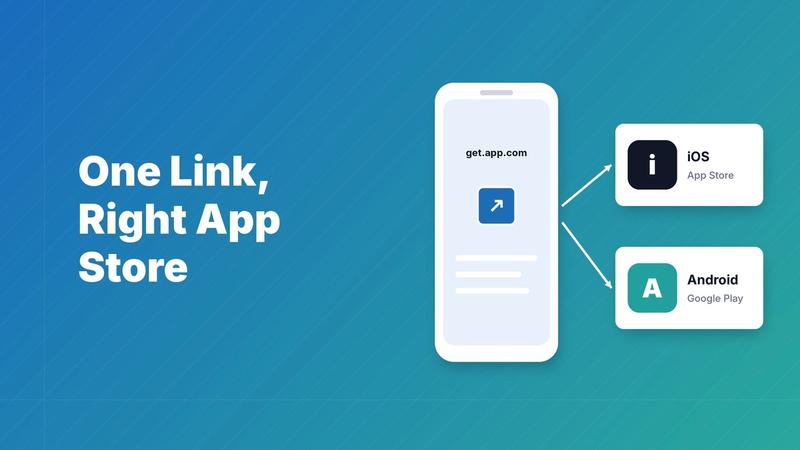
Guide: Redirect Users to the App Store or Google Play By OS
OS-based redirection automatically directs users to the correct app store depending on whether they are using an Android or iOS device. By detecting the user’s operating system through browser data or user-agent strings, websites can send users directly to the Google Play Store or Apple App Store. This improves user experience, increases app download conversions, and simplifies app discovery.
October 1, 2023

Url-redirects
iOS/Android Detection: Redirect The Link To The App Or Landing Page
iOS and Android detection helps websites identify a user’s mobile operating system and redirect them to the most relevant destination, such as a mobile app or optimized landing page. By analyzing device information like user-agent data or using JavaScript detection, businesses can create a tailored mobile experience that improves engagement, increases app downloads, and ensures compatibility across different devices.
October 1, 2023